

How to Choose the Best Tile Flooring for Your Bathroom Remodel
Choosing the right tile flooring for your bathroom goes beyond picking a color or pattern you like. Bathrooms in Riviera Beach, FL, see a lot of moisture, traffic, and sometimes even sandy feet. It pays to think through your options before you start your next bathroom remodeling project. Below, we break down the most common questions homeowners ask when weighing tile flooring choices, so you can make a decision that looks good and lasts.
What Tile Materials Are Best for Bathroom Floors?
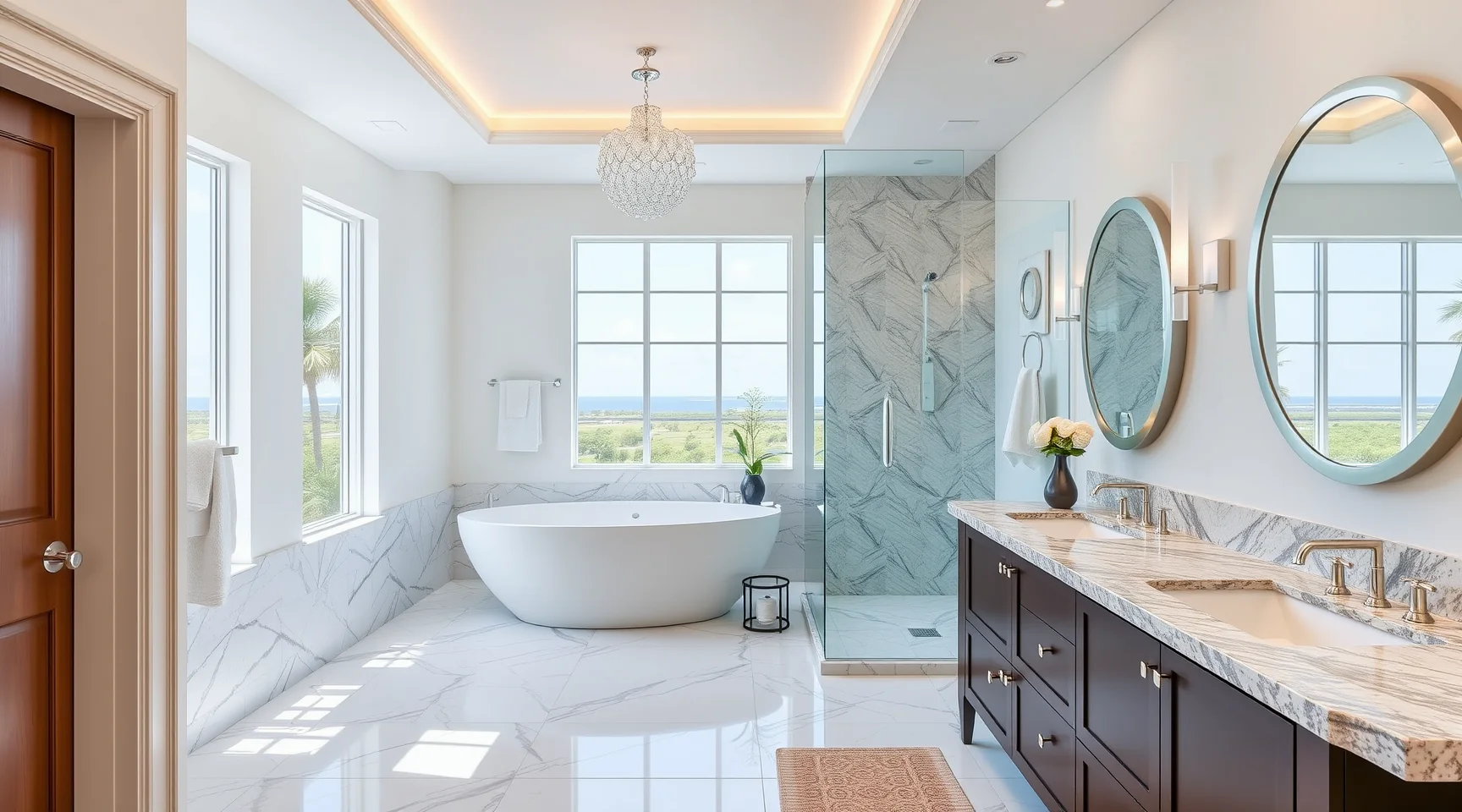
The most common choices for bathroom tile are ceramic, porcelain, and natural stone. Porcelain is denser and less porous than ceramic, making it more water-resistant and durable—two big advantages in a bathroom. Ceramic tiles are generally more affordable and offer plenty of style options, but they can chip more easily. Natural stone tiles, such as marble or slate, bring a unique look but require regular sealing and a bit more maintenance. For most bathrooms, especially those that get heavy use, porcelain is a safe bet. If you want a custom look, natural stone might be worth the extra effort.
How Important Is Slip Resistance for Bathroom Flooring?
Slip resistance should always be a top priority in any bathroom, especially if you have children or elderly family members. Look for tiles with a textured surface or those labeled with a high "coefficient of friction" (COF). Smaller tiles, like mosaics, naturally offer better grip because of the extra grout lines. Avoid polished stone or glossy ceramic tiles for floors—they can get slippery when wet. If you’re not sure what to pick, ask your installer about options rated for commercial bathrooms; these often provide the best traction.
What Size and Shape of Tile Works Best in Bathrooms?
There’s no one-size-fits-all answer, but the size and shape of your tile can affect both appearance and functionality. Large-format tiles (12"x24" or bigger) create a modern, seamless look with fewer grout lines to clean. However, they need a very flat subfloor to prevent cracking. Smaller tiles, like 2"x2" mosaics, work well for shower floors due to their grip and ability to curve around slopes. For small bathrooms, lighter colors and larger tiles can make the space feel bigger. For tricky layouts or lots of cutouts, smaller tiles or planks offer flexibility.
How Do I Choose the Right Color and Pattern?
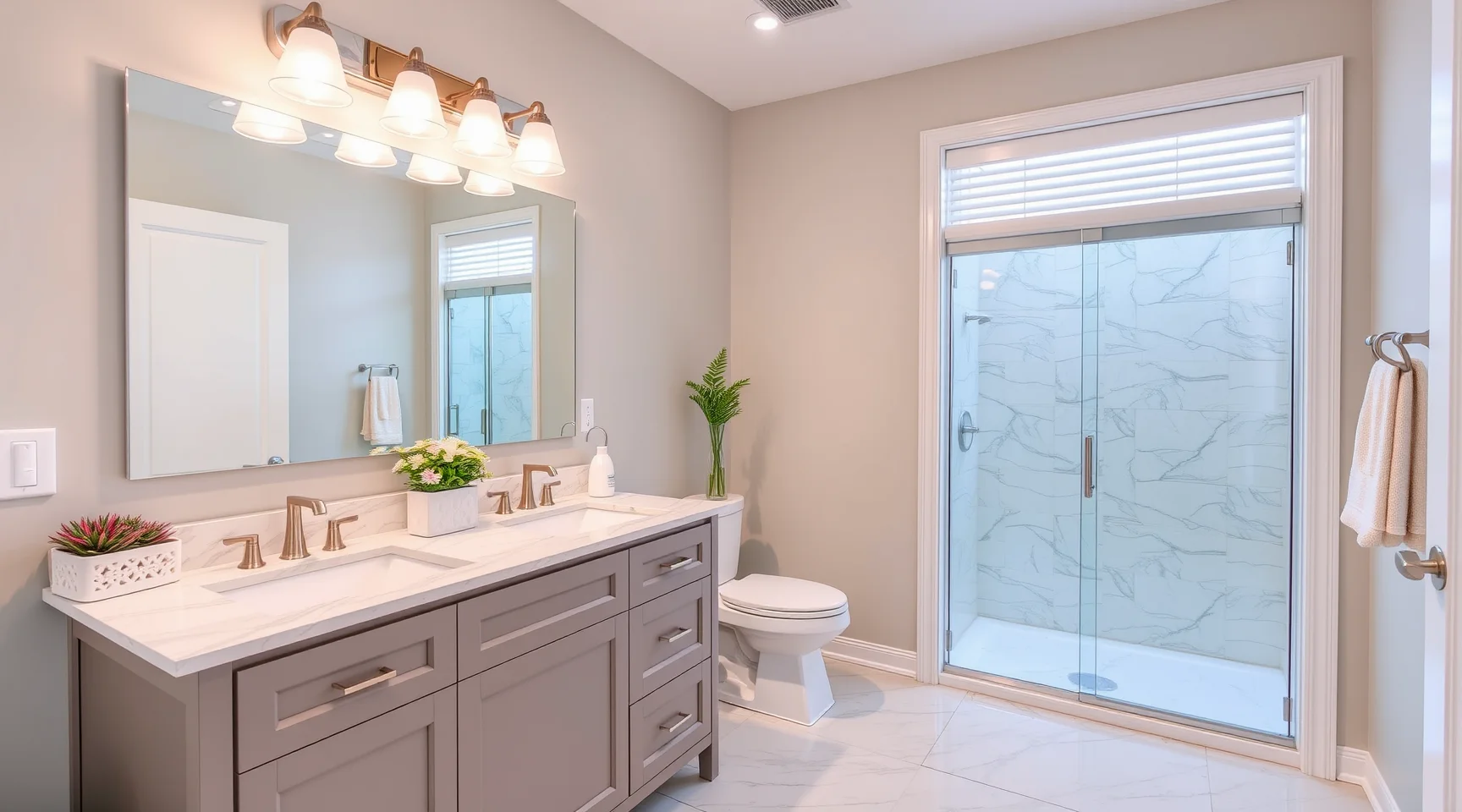
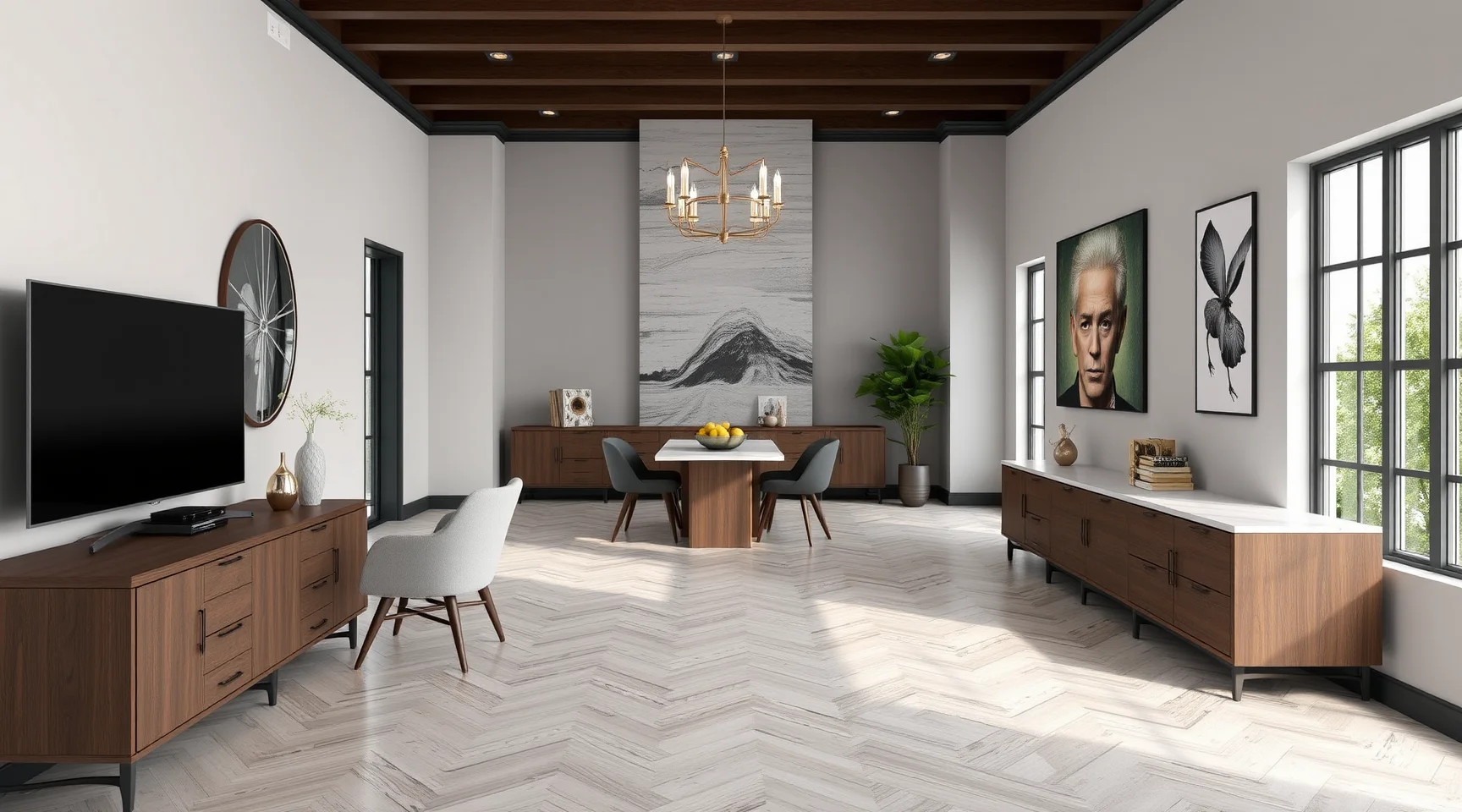
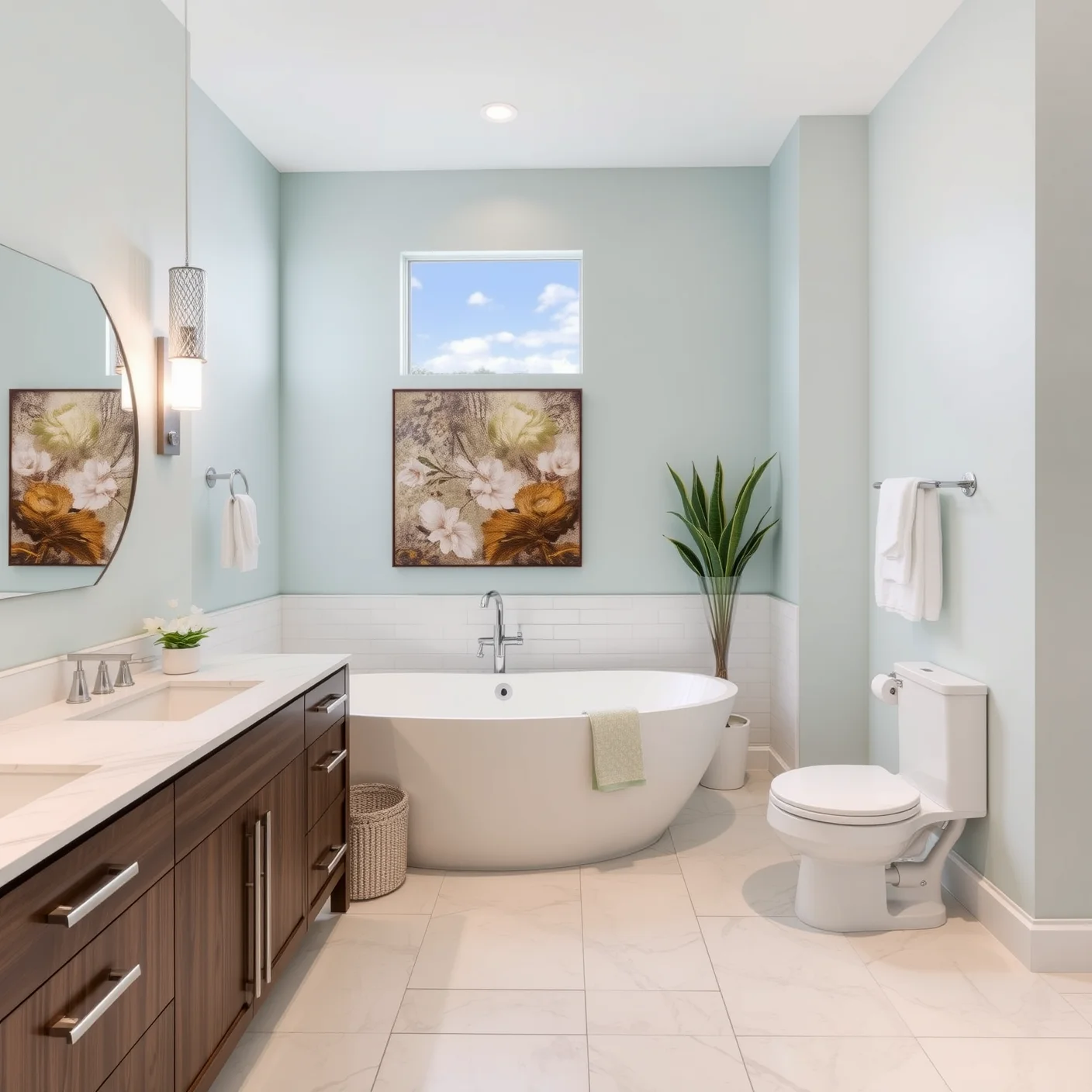
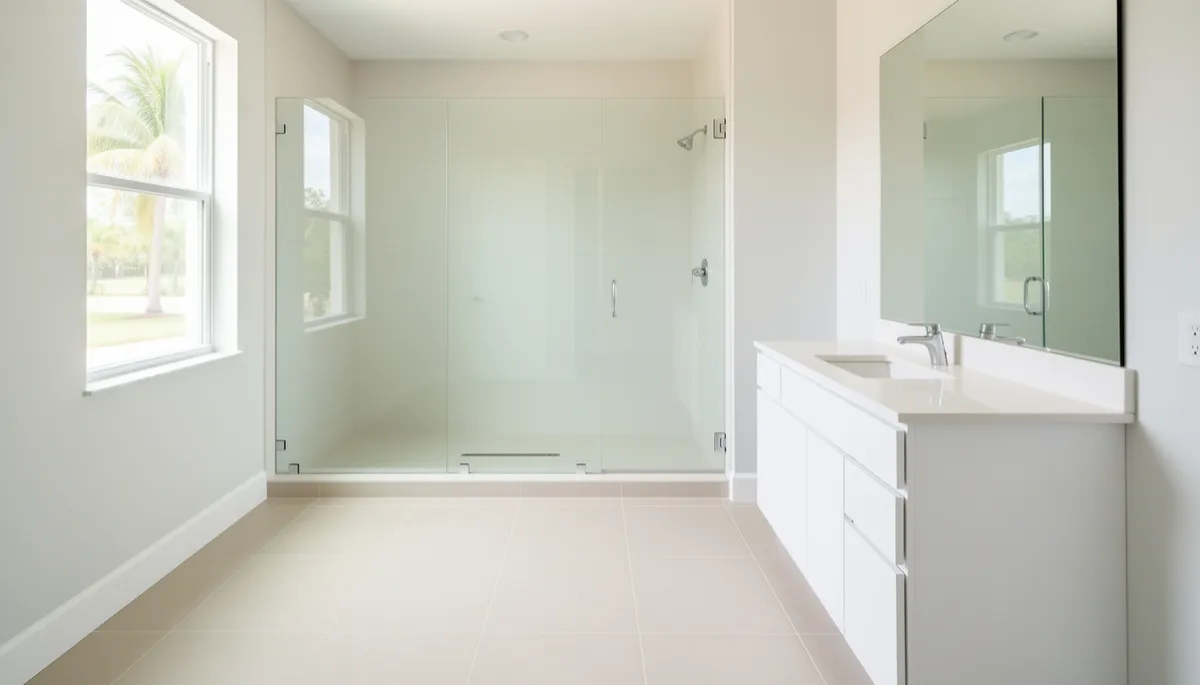
Think about how the tile color and pattern will look with your overall bathroom design. Light-colored tiles, such as white, cream, or soft gray, make the room feel bright and open—a good choice if your bathroom doesn’t get much natural light. Darker tiles add drama and can help hide dirt, but they can also make a small space feel even smaller. Patterns like herringbone or hexagon tiles add interest without overwhelming the eye. If you want something bold, try using patterned tiles as an accent or on a single wall rather than across the whole floor. If you're planning a complete home remodel, consider how your bathroom tile will coordinate with flooring in adjacent rooms.
What Maintenance Should I Expect from Each Tile Type?
Porcelain and glazed ceramic tiles are about as low-maintenance as it gets. Regular sweeping and mopping will keep them looking good, and they resist stains well. Natural stone tiles require sealing every year or so and need to be cleaned with non-acidic cleaners to avoid etching or discoloration. Grout is another consideration: lighter grout shows stains more readily, while darker grout can hide them but may fade over time. Using a high-quality grout sealer helps reduce maintenance down the road.
Can I Install Tile Over My Existing Bathroom Floor?
In some cases, yes, but it depends on what’s underneath. Tile can sometimes be installed directly over old tile if it’s in good shape and firmly attached. However, adding a new layer raises the floor height, which can affect doors and transitions to other rooms. For best results, especially in older homes, it’s usually better to remove the old flooring and make sure the subfloor is solid, clean, and level before installing new tile. If you’re not sure, a professional can advise you during your tile flooring installation estimate.
Frequently Asked Questions
Is heated tile flooring a good option for bathrooms in Florida?
Heated tile floors are more common in colder climates, and in Riviera Beach, FL, most homeowners don’t find them necessary. However, if you like the comfort of warm floors underfoot, especially during cooler months or in a part of the house that stays chilly, it can be added. Keep in mind it’s an extra expense and may not be used often in our area.
How long does tile installation usually take?
Most standard bathroom tile jobs take two to four days, depending on the room size, tile layout, and whether old flooring needs to be removed. Larger or more complex patterns and custom work can add time. Always allow for proper drying and curing before using the space.
Can I use the same tile on my bathroom floor and shower walls?
Yes, many tiles are suitable for both floors and walls. Just ensure the floor tile has enough slip resistance if used on the floor. Using the same tile in different areas can create a cohesive look, but mixing textures or sizes can also add interest.
What’s the best way to clean and maintain bathroom tile?
Sweep or vacuum regularly to keep grit from scratching the surface, and mop with a mild cleaner. For grout, use a soft brush and avoid harsh chemicals. Sealing grout and stone tiles will help them resist stains and moisture.
If you’re planning a bathroom remodel in Riviera Beach, FL, and want help selecting and installing the right tile flooring, reach out to Lux Construction & Design. We’ll walk you through your options, answer your questions, and make sure your new floor looks great and stands up to daily use.