

Essential Tools for Bathroom Drywall Installation: A Homeowner's Guide
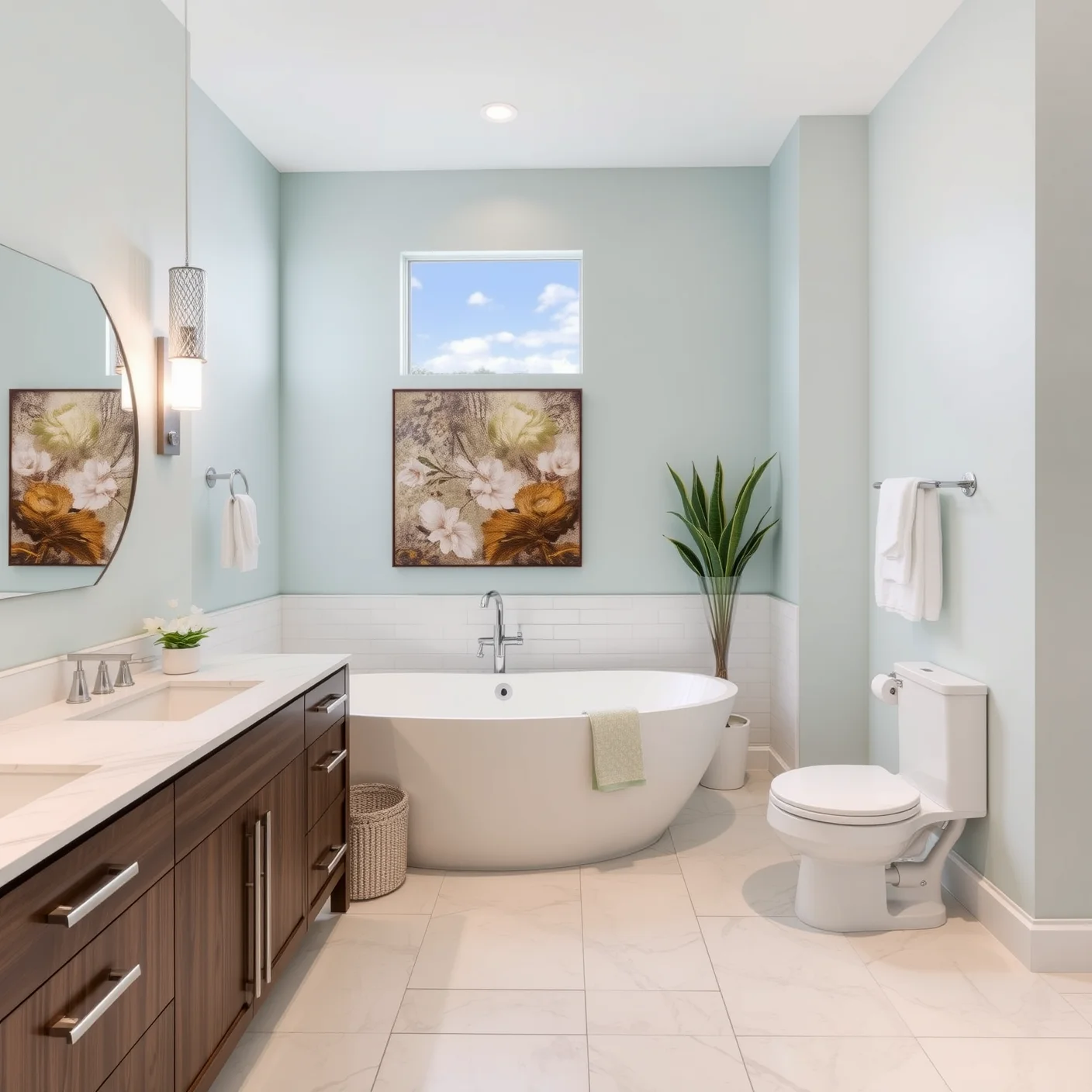
Installing drywall in a bathroom is a bit different from tackling other rooms in your home. Bathrooms have more moisture and often tighter spaces, which means you need the right tools and materials to get the job done right. In this guide, we’ll walk you through the essential tools for bathroom drywall installation and answer common questions homeowners in Riviera Beach, FL often have about the process.
What special considerations are there when installing drywall in a bathroom?
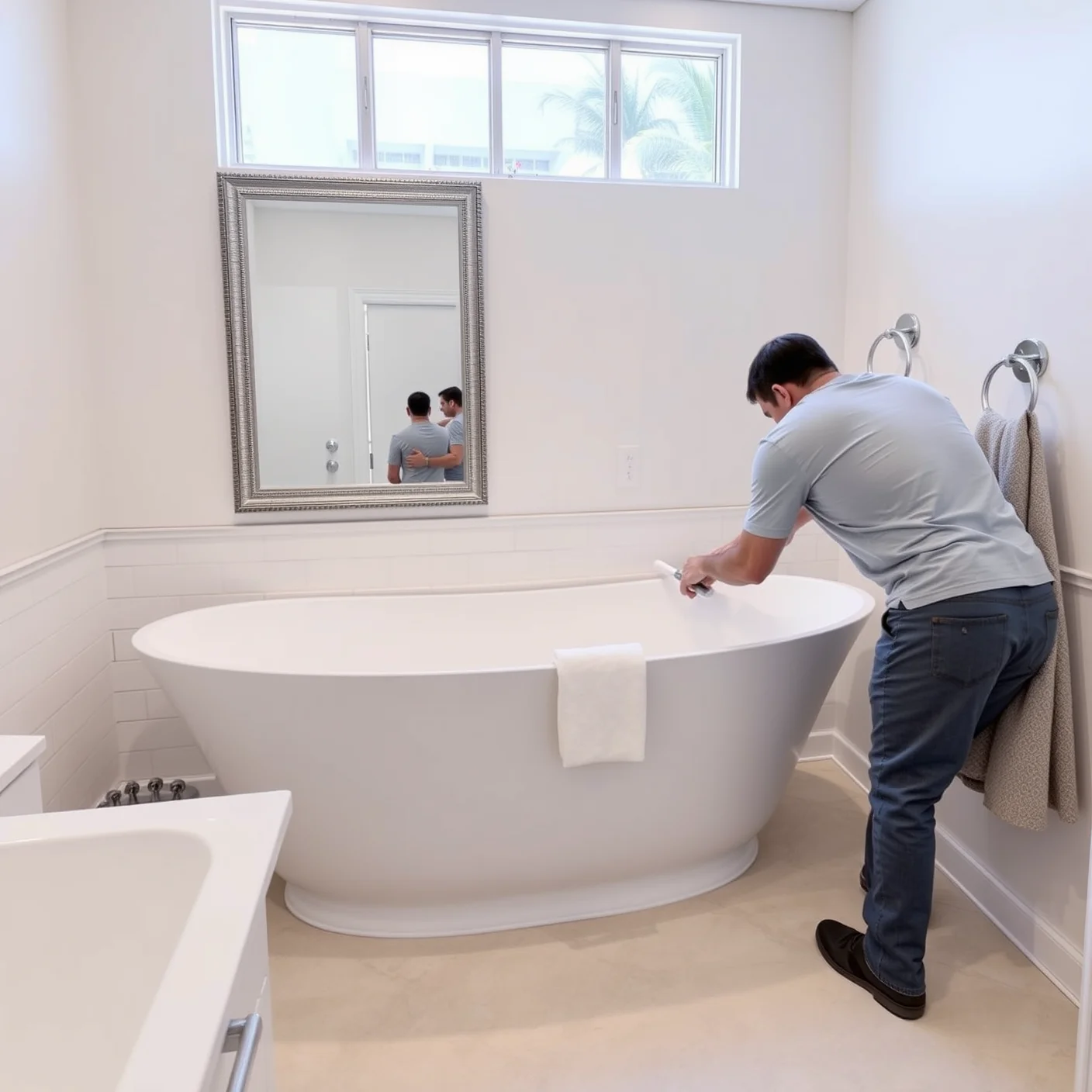
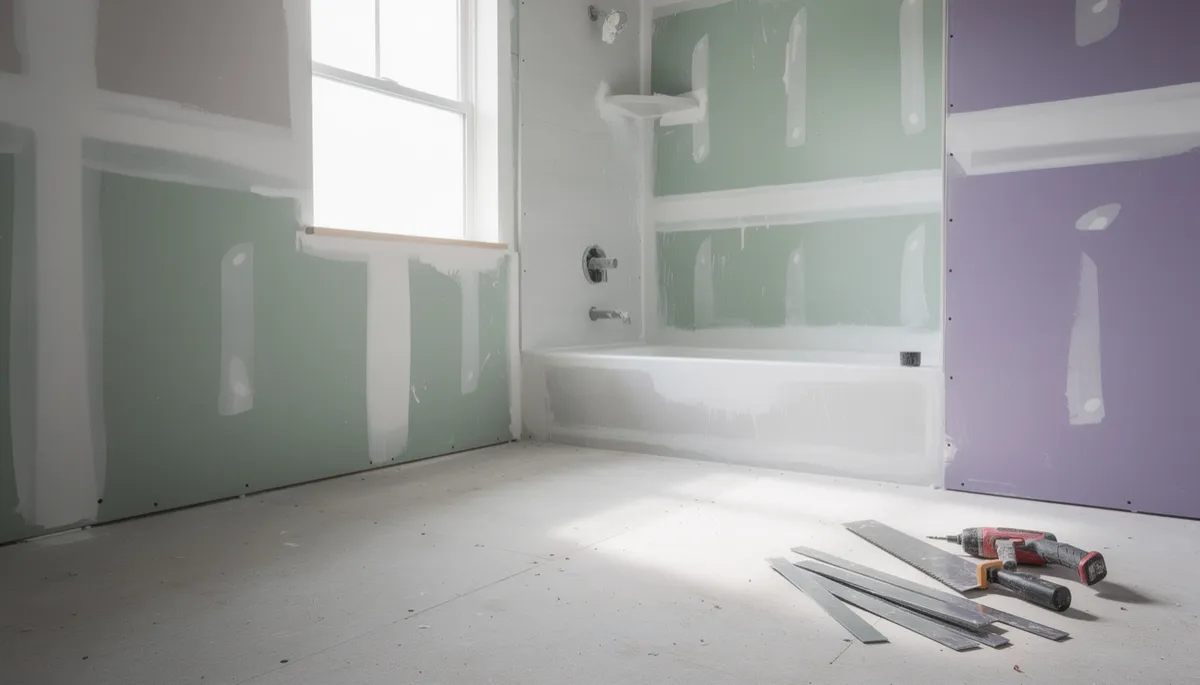
Bathrooms are one of the most humid areas in any home. Standard drywall can quickly get damaged by moisture, so it’s important to use moisture-resistant drywall, sometimes called green board or purple board. These are specially designed to handle humidity and occasional splashes. You’ll also want to make sure all tools and fasteners are compatible with this type of drywall, as cutting and finishing can be slightly different than with regular drywall. For more details or if you’re planning a bigger project, take a look at our bathroom remodeling services.
Which basic hand tools do I need for bathroom drywall installation?
Some hand tools are essential for any drywall job, but in bathrooms, you might use them more frequently due to tight corners and small spaces. Here’s a list of what you’ll need:
- Tape Measure: For accurate cuts and layouts.
- Utility Knife: For scoring and snapping drywall sheets.
- Drywall Saw: Useful for cutting out spaces for plumbing or electrical boxes.
- Chalk Line: Helps mark straight lines for cuts and installation.
- Drywall T-square: For making precise, straight cuts.
- Keyhole Saw: Great for small holes and tight spaces often found around bathroom fixtures.
- Rasp: Smooths rough edges after cuts, especially important in a finished space like a bathroom.
What power tools make the job easier and more precise?
While hand tools are vital, power tools can speed up the process and improve accuracy. For bathroom drywall installation, consider the following:
- Power Drill or Screw Gun: Fastens drywall to studs quickly and securely. Consider using screws instead of nails for moisture-prone areas.
- Oscillating Multi-tool: Makes precise cuts around pipes, vents, and electrical boxes without damaging the surrounding drywall.
- Drywall Router: Useful for quickly cutting out complicated shapes or openings, especially in crowded bathroom walls.
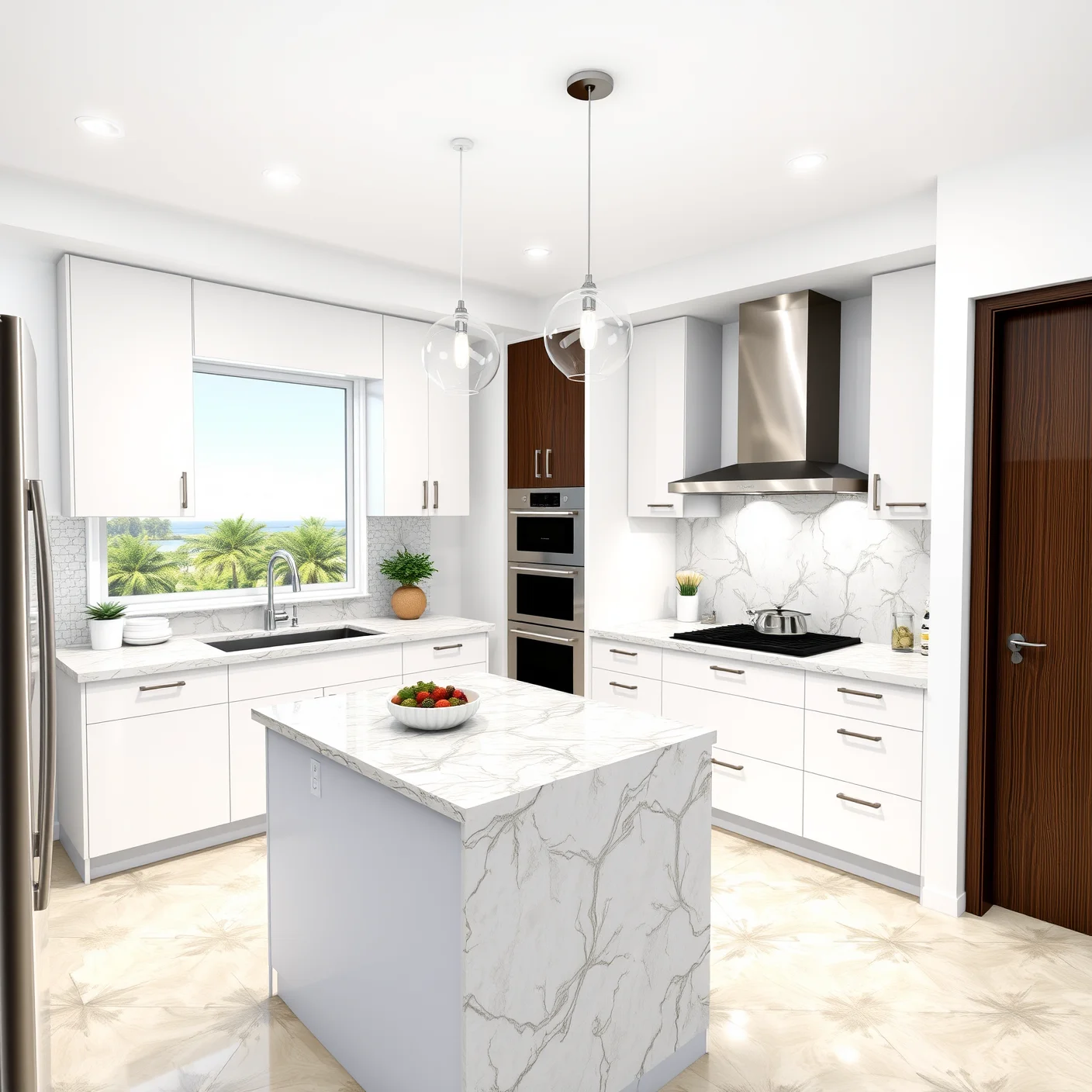
Some homeowners in the Riviera Beach area like to tackle parts of the project themselves but hire a professional for the trickier tasks. If you’re considering a full update, our complete home remodel services may be helpful.
How do I handle taping, mudding, and sanding in a bathroom?
Finishing drywall in a bathroom requires patience and the right tools. You’ll need:
- Joint Tape (Paper or Mesh): For covering seams between drywall sheets.
- Joint Compound (Mud): For smoothing over tape and screw holes. Use a setting-type compound in bathrooms, as it resists moisture better than pre-mixed versions.
- Putty and Taping Knives: Various widths (4-inch, 6-inch, and 12-inch) for applying and feathering out mud.
- Sanding Block or Pole Sander: Smooths out dried compound. Consider using a wet sponge for final smoothing in bathrooms to reduce dust.
Be sure to ventilate the space well while sanding, and wear a mask. The dust can be especially bothersome in small, enclosed bathrooms.
What safety gear is necessary for bathroom drywall installation?
Bathrooms are smaller, and the work areas can get cramped, so safety is important. You’ll want to have:
- Safety Glasses: Protect your eyes from dust and debris.
- Dust Mask or Respirator: Essential for sanding and cutting drywall.
- Gloves: Prevents cuts from drywall edges and tools.
- Knee Pads: Bathrooms often require working on your knees for extended periods.
How do I cut drywall for bathroom fixtures and plumbing?
Bathrooms have more cutouts for plumbing, vents, and outlets than most rooms. Accurate cuts are crucial to avoid gaps and weak spots. Mark the location of each fixture with a tape measure and pencil, then use a drywall saw, keyhole saw, or oscillating tool to make the necessary cuts. For round pipes, a hole saw attachment on a power drill can make clean holes. Double-check all measurements before cutting to avoid costly mistakes.
Are there any useful tips for a smooth bathroom drywall installation?
Here are a few tips that can save you time and effort:
- Always use moisture-resistant drywall in bathrooms, especially near tubs and showers.
- Stagger the seams of your drywall sheets for added strength.
- Apply a primer and paint with a mold-resistant finish once the drywall is up and finished.
- Seal all joints and corners with a high-quality caulk for extra moisture protection.
- When in doubt, consult with a professional—especially if you’re tackling a bathroom as part of a bathroom remodeling project.
Frequently Asked Questions
Can I use regular drywall in my bathroom?
It’s not recommended. Standard drywall absorbs moisture and can lead to mold and deterioration. Always use moisture-resistant drywall (green board or purple board) for bathroom walls and ceilings.
What’s the best way to prevent mold behind my new bathroom drywall?
Use moisture-resistant drywall, seal all seams and corners properly, and ensure your bathroom is well-ventilated. Running an exhaust fan during and after showers helps keep humidity down, reducing the risk of mold.
Do I need to remove old tile before installing new drywall?
Yes, old tile and any damaged drywall behind it should be removed to ensure a solid, clean surface for the new drywall. This also allows you to check for hidden water damage before closing up the wall.
Should I hire a professional for bathroom drywall installation?
If you’re comfortable with basic tools and have some DIY experience, you can handle small areas. For larger bathrooms or if you’re dealing with plumbing and electrical changes, hiring a professional ensures the job is done right and up to code.
If you have more questions or want expert help with your bathroom drywall installation in Riviera Beach, Lux Construction & Design can help. Contact us today to discuss your project and get professional results you can trust.