

Best Interior Paint Types for Bathroom Walls and Ceilings
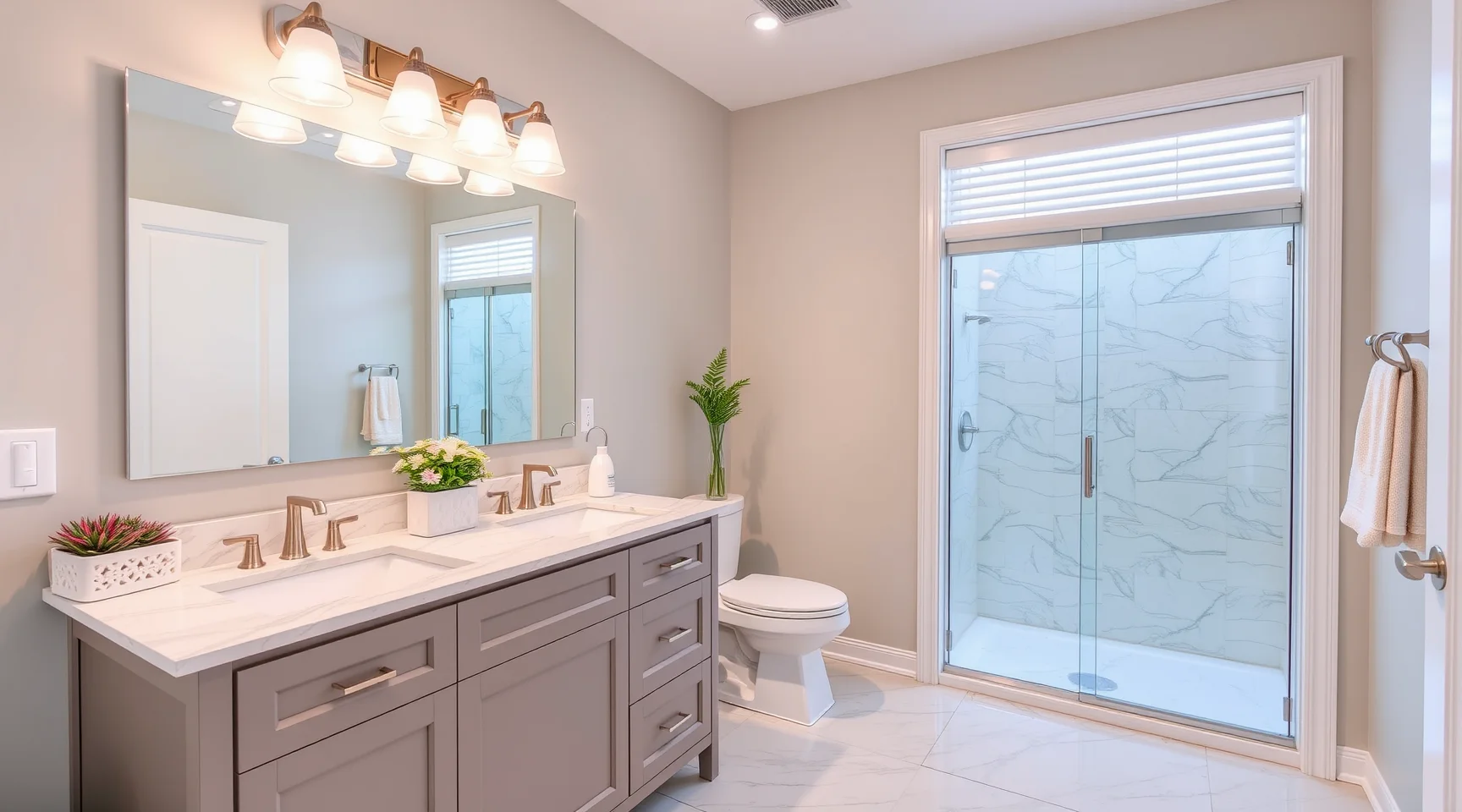
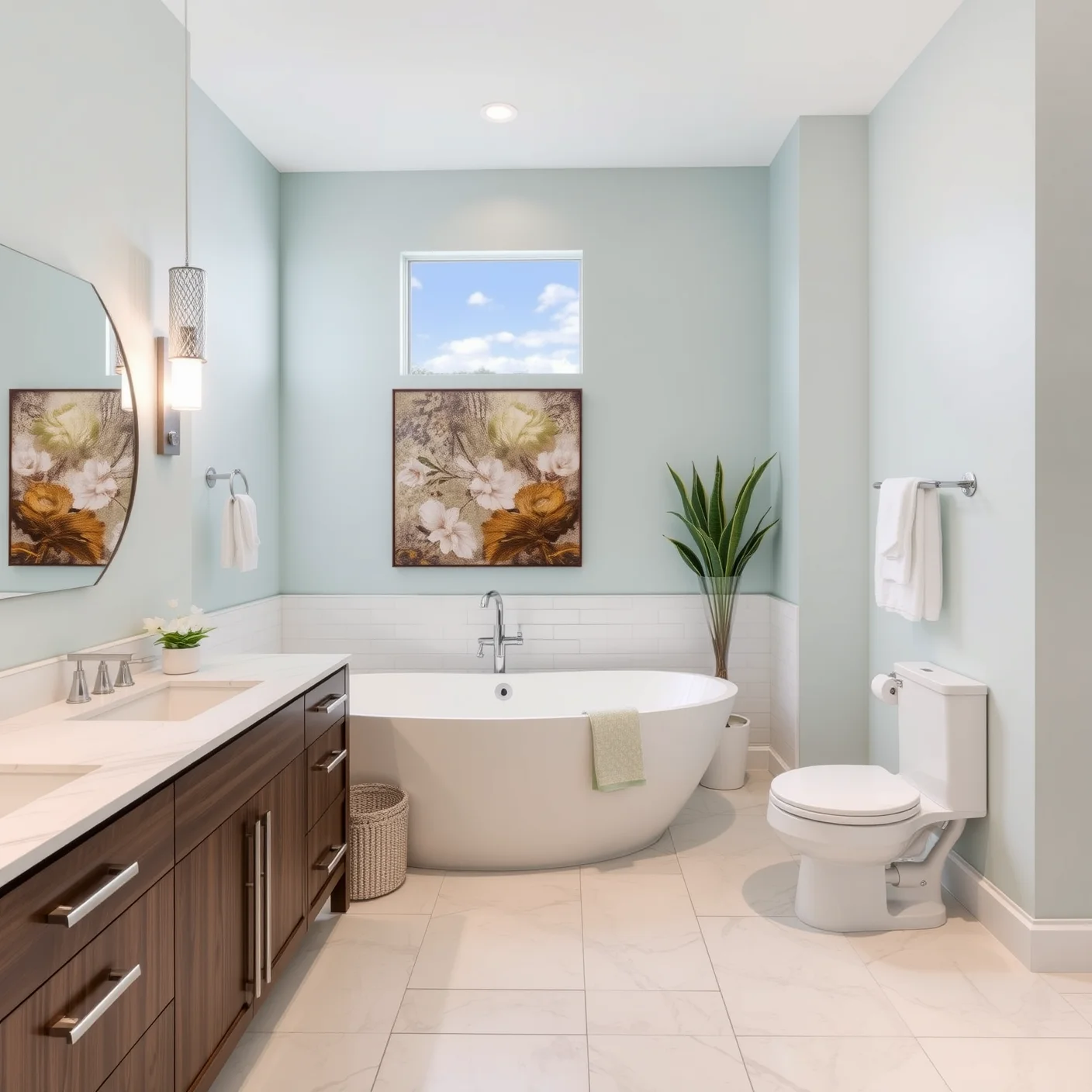
Choosing the right paint for your bathroom walls and ceilings is about more than just picking a color you like. Bathrooms in Riviera Beach, FL, see a lot of moisture, humidity, and temperature swings, so you want a finish that stands up to those conditions. Let’s look at the best paint types for bathroom interiors so your updates last and look great for years to come.
What Kind of Paint Is Best for Bathroom Walls?
Bathrooms are exposed to frequent moisture from showers, baths, and sinks. That means standard interior paint isn’t always up to the job. For most bathrooms, a semi-gloss or satin finish is the way to go. These finishes have enough sheen to make them moisture-resistant and easy to wipe down, but they’re not so shiny that they highlight every imperfection in your walls.
- Semi-gloss: Highly moisture-resistant, this finish is easy to clean and resists mold. It’s a common choice for both walls and trim in bathrooms.
- Satin: Offers some sheen and good water resistance. Satin finishes are a good middle ground if you want less shine than semi-gloss, but still need protection.
- Matte and flat: Not recommended for bathroom walls unless specifically formulated as a bathroom paint. Most standard flat paints will absorb moisture and show marks easily.
If your bathroom has poor ventilation or tends to stay damp, consider a specialty bathroom paint. These have added mildewcide, which helps prevent mold and mildew growth. When in doubt, talk to your painter or remodeling contractor about which brands and formulas perform best in our humid Florida climate. For more on updating your bathroom, see our bathroom remodeling page.
What Paint Should I Use on My Bathroom Ceiling?
The ceiling in a bathroom takes just as much abuse from steam and condensation as the walls. Most professionals recommend using a paint with a satin or eggshell finish for bathroom ceilings. These provide some water resistance, but still hide surface flaws better than higher-sheen paints.
- Specialty bathroom ceiling paints: These are designed to resist mildew and moisture, and are often a good choice in high-humidity areas.
- Eggshell finish: If you prefer a less shiny look, eggshell is a decent compromise. Just be sure to use a quality brand rated for moisture-prone areas.
Before painting, make sure the ceiling is clean, dry, and free of peeling paint. Stains from old leaks or mildew should be sealed with a stain-blocking primer before your topcoat goes on.
Is Mold-Resistant or Mildew-Resistant Paint Necessary?
In the Riviera Beach area, mold and mildew are a constant threat, especially in bathrooms with limited ventilation. Mold-resistant paints have additives that inhibit fungal growth, giving you extra protection beyond what a standard paint provides.
If your bathroom has an exhaust fan and good airflow, you might get by with a quality moisture-resistant paint. But if you’ve dealt with mildew in the past, or you’re remodeling an older home, investing in a paint specifically labeled as mold- or mildew-resistant can save you headaches (and cleaning) down the road. These paints are especially important for ceilings and corners where steam tends to gather.
Do I Need to Prime Bathroom Walls and Ceilings First?
Priming is a step you don’t want to skip in bathroom projects. A good primer does several things: it seals any old stains, provides a uniform surface for paint to stick to, and blocks moisture from seeping into drywall or plaster.
- For new drywall: Always prime first to seal the surface.
- For previously painted walls: If the old paint is glossy or has any mold/mildew stains, use a bonding or stain-blocking primer.
- For problem areas: Water-stained ceilings, patched spots, or areas where old paint is peeling should get a coat of specialty primer before your finish paint.
Primers designed for bathrooms often have mildewcide additives for extra protection. A professional painter or remodeler will be able to recommend a product that fits your home’s needs. For larger projects, our interior painting page has more details on our approach.
What Are the Common Mistakes When Painting Bathrooms?
There are a few pitfalls to avoid when painting a bathroom:
- Choosing the wrong sheen: Flat paints may look nice at first but will absorb moisture and show water marks quickly.
- Skipping primer: This can lead to peeling paint and stains seeping through the finish.
- Painting over mildew or damp surfaces: Always clean and dry surfaces first, and treat any mildew before painting.
- Not letting paint cure: Give each coat enough drying time, especially in humid areas, to prevent bubbling or streaking.
It’s also important to use high-quality brushes and rollers to get a smooth, even finish—especially with semi-gloss and satin paints, which can show lap marks if applied unevenly.
Should I Hire a Pro or DIY My Bathroom Paint?
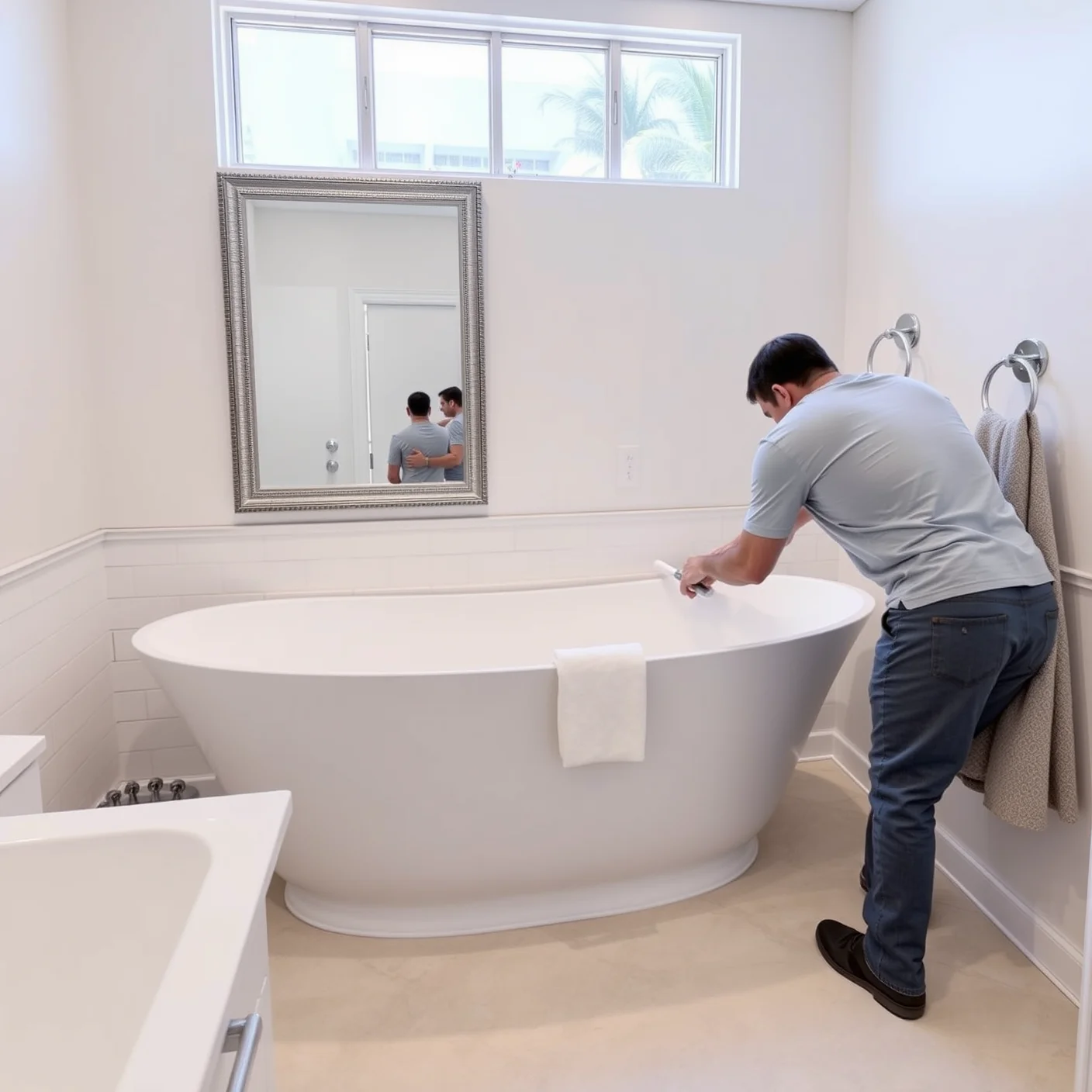
Painting a bathroom sounds straightforward, but the details matter. Professionals know how to prep surfaces, choose the right materials, and apply finishes that will last. They’re also equipped to handle repairs, priming, and tricky spots like tight corners or textured ceilings.
If you’re tackling a full home remodel or a larger bathroom renovation, it’s worth bringing in a team familiar with Riviera Beach homes and the challenges of our local climate. A pro can handle any drywall repairs, moisture barriers, and specialty finishes you might need for a long-lasting result.
Frequently Asked Questions
Can I use kitchen or regular interior paint in my bathroom?
It depends on the paint’s moisture resistance. Some kitchen paints are formulated for humidity, but regular interior paint often isn’t designed to handle the amount of steam and condensation found in bathrooms. Look for paints labeled for bathrooms or high-moisture areas for the best durability.
Do I need to repaint my bathroom more often than other rooms?
Bathrooms do tend to need repainting more frequently than bedrooms or living rooms because of the constant exposure to moisture. Using the right type of paint and proper prep can extend the life of your paint job significantly. Expect a quality job to last several years if you keep up with ventilation and cleaning.
Is it safe to paint over mold or mildew stains?
No, you should never paint directly over mold or mildew. Clean and treat the affected areas first, let them dry thoroughly, and then use a stain-blocking or mold-resistant primer before painting. This prevents the problem from coming back through the paint.
What’s the best way to keep bathroom paint looking fresh?
Use the exhaust fan during and after showers to reduce humidity. Wipe down walls and ceilings occasionally to prevent mildew, and patch any chips or peeling spots as soon as you notice them. Prompt attention to small issues will keep your bathroom looking new for longer.
If you’re thinking about updating your bathroom, ceiling, or other spaces in your Riviera Beach home, reach out to Lux Construction & Design. We’re happy to answer your questions and help you choose paint and finishes that work for your space and your needs.